Refill and Kitchen Garbage Bags Sizes: A Simple Guide for a Greener Home
I work in Mission Refill, a refill store committed to reducing waste and promoting sustainable living. The store offers eco-conscious essentials like the bamboo dish brush for zero-waste cleaning, soap dishes for bar soap that help keep your soap dry and long-lasting, and a powerful hard water stain remover that tackles tough stains naturally. Mission Refill makes it easy to choose products that are better for your home and the planet.
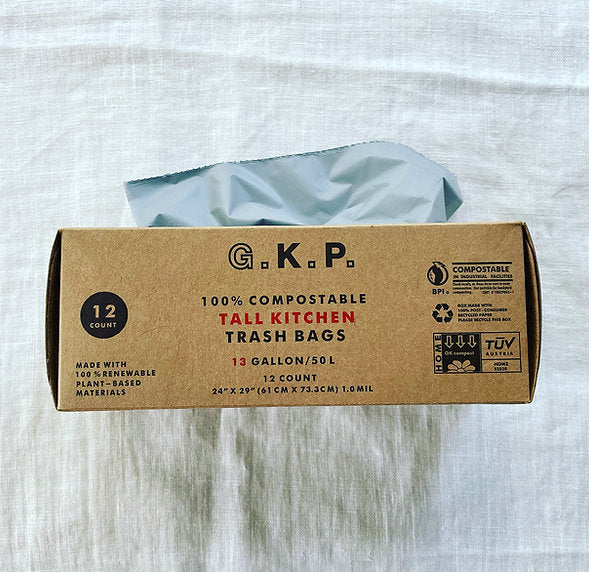
Living sustainably starts with the small decisions we make every day. One of the easiest ways to reduce waste at home is by choosing to refill products instead of buying new containers each time. Along with this, understanding kitchen garbage bags sizes can help manage household waste more efficiently and avoid unnecessary plastic use.
This article breaks down how refilling works, why it matters, and how to choose the right kitchen garbage bags sizes for your needs.
What Does Refill Mean in Daily Life?
Refill means reusing a container by filling it with the same product instead of buying a new packaged version. For example, instead of buying a new plastic bottle of dish soap, you bring your empty container to a refilling store and fill it up.
This simple habit has a big impact. It cuts down on single-use plastic, reduces packaging waste, and helps support a more circular economy where products are reused instead of thrown away.
Refill options are available for a wide range of everyday household products, including:
Cleaning supplies like dish soap, laundry detergent, and all-purpose cleaners
Personal care items such as shampoo, conditioner, and body wash
These options not only reduce plastic use but often come with the added benefit of being non-toxic and environmentally friendly.
Why Refill Products Make Sense
Many people want to reduce waste but feel overwhelmed by where to start. Refilling is a practical, low-effort way to do that. When you refill your everyday products, you’re helping the planet while also saving money and storage space.
Here are a few reasons why more households are switching to refill systems:
Lower environmental impact: Fewer bottles mean less plastic in landfills and oceans.
Cost savings over time: You only pay for the product, not the packaging.
Less clutter: Reusing the same containers keeps your home more organized.
Support for local businesses: Refilling stores often source products from ethical, eco-conscious brands.
Refilling is more than a trend. It’s a habit that supports long-term sustainability, and it fits easily into any lifestyle.
Choosing the Right Kitchen Garbage Bags Sizes
Now that you’re thinking about reducing waste, it makes sense to look at another area where a lot of plastic is used: garbage bags. Understanding the right kitchen garbage bags sizes for your bin helps reduce waste and save money.
Using bags that are too large or too small creates waste in two ways: you either use more plastic than necessary or struggle with spills and messes because the bag doesn’t fit properly.
Common Kitchen Garbage Bags Sizes
Here’s a quick overview of typical sizes and where they’re most often used:
4 to 6 gallons: Best for small countertop compost bins or small bathroom bins.
8 to 10 gallons: Suitable for small kitchen trash cans or office bins.
13 gallons: The standard size for most kitchen trash bins. This size fits tall, narrow bins often found in homes.
20 to 30 gallons: Ideal for larger kitchen or garage bins where more waste is collected.
33 gallons and above: These are used for outdoor bins or during deep cleaning tasks when more waste is generated.
Always check your trash bin dimensions before purchasing bags. Many bags list both gallon size and dimensions in inches, so comparing those with your bin can prevent waste and improve convenience.
Bag Thickness and Strength
Along with size, consider the thickness of the garbage bag. Measured in mils (thousandths of an inch) or microns, the thickness determines how strong the bag is.
0.7 to 0.9 mil: Standard for light kitchen waste.
1.0 to 1.3 mil: Good for food waste or items with sharp edges.
1.5 mil and above: Heavy-duty bags used for tougher jobs or heavy loads.
Using the right strength means fewer rips, spills, and wasted bags.
How to Reduce Trash Bag Waste
Just like with other household items, you can make smarter choices when it comes to kitchen garbage bags. Consider these tips:
Compost when possible: Food scraps and biodegradable waste can go into a compost bin instead of the trash.
Separate recyclables: Sorting your recyclables can reduce how much garbage ends up in your kitchen bin.
Use bags made from recycled materials: Many companies now offer kitchen garbage bags made from post-consumer plastic or plant-based materials.
Avoid overfilling: Overfilling bags increases the chance of breakage and waste. Use the right size and strength for your needs.
These small steps make a big difference over time.
Combining Refill with Smarter Waste Management
Making your home more sustainable doesn’t have to be complicated. When you combine refilling household products with choosing the right kitchen garbage bags sizes, you not only reduce your environmental impact but also make your home cleaner, simpler, and more efficient.
Some people worry that making eco-friendly choices is too expensive or inconvenient. But the truth is, refill products often cost less over time, and using properly sized garbage bags helps avoid wasted materials and money.
You don’t have to make all the changes at once. Start by switching one or two products to refills and assessing your garbage bag usage. From there, adjust slowly as you learn what works best for your household.
Conclusion
Refilling everyday products and using the correct kitchen garbage bags sizes are two easy ways to reduce waste and live more sustainably. These small shifts can add up to big changes over time, both for your household and the environment.
If you're looking for a simple place to start, visit Mission Refill, a refilling store that offers eco-friendly options for your home and kitchen. With products like bamboo dish brushes, stain removers, and soap refills, you can begin your low-waste journey today. Choosing better habits isn’t just good for the planet — it’s good for your home too.